If you wear deodorant, you already know the problem: those white streaks or waxy buildup that show up on your underarms — especially on dark fabrics — every time you pull a shirt over your head. Left untreated, they can eventually turn into permanent yellowish stains that no amount of washing seems to fix.
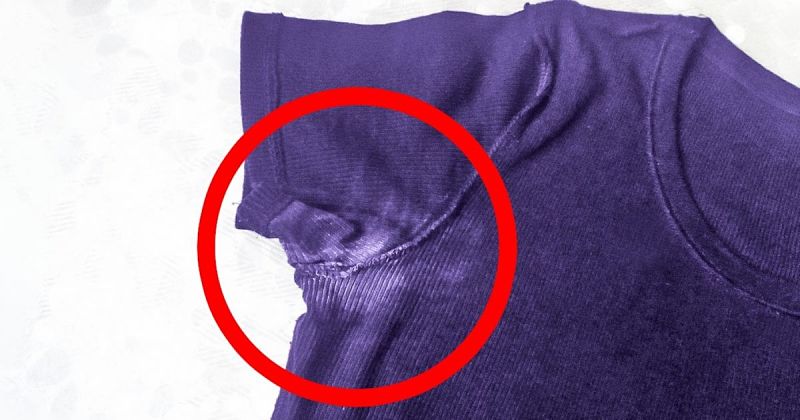
The classic move is to just rub the fabric against itself, and while that does work in a pinch, it’s rough on delicate fabrics, which can pill, stretch, or develop tiny snags from the friction. The good news is there are gentler — and genuinely more effective — methods, several of which target the actual chemistry behind the stain rather than just scrubbing at it.
Why Deodorant Stains Are Different From Regular Stains
It helps to understand what you’re actually dealing with. Most deodorant and antiperspirant stains aren’t just surface residue — they’re caused by a reaction between the aluminum-based compounds in antiperspirants and the salts in sweat, which is why plain water and a quick wipe often aren’t enough once a stain has set in. That also explains why acidic ingredients like vinegar, lemon juice, and citric acid tend to work so well: lowering the pH helps dissolve those aluminum salts so they can be rinsed away.
Gentle, No-Effort Methods
A Damp Cloth
Sometimes the simplest fix is the best one. A damp cloth will quickly lift fresh white marks left by deodorant right after you take off a shirt. Just make sure to wring it out well so it’s damp, not dripping — otherwise you’ll trade a deodorant mark for a wet patch.
Baby Wipes
Wet baby wipes are great for lifting deodorant marks off clothing. Just be patient when rubbing, since depending on the stain and the fabric, it may take a little longer to fully disappear.
Microfiber Cloths or Sponges
Microfiber towels are surprisingly versatile, and removing white deodorant marks is one of the things they do well — the fine fibers grab residue without the abrasiveness of harder scrubbing.
Nylon Stockings
If you have an old pair of pantyhose lying around, don’t throw them out. Rubbing them gently over the mark lifts it effectively, and this method is especially good for delicate fabrics like silk, where more aggressive scrubbing could damage the weave.
Makeup Remover Wipes
Makeup remover wipes work much like baby wipes for this purpose. If you only have a liquid makeup remover on hand, put a small amount on a cotton pad and dab at the stain — just use a light amount so you don’t end up soaking the fabric.
For Set-In or Stubborn Stains: A Few More Powerful Options
The methods above are great for fresh, surface-level marks, but if a stain has already set in or built up over time, it’s worth reaching for something with a bit more cleaning power.
White Vinegar Soak
Vinegar’s acidity is particularly effective at breaking down the aluminum-based compounds that cause yellowing and buildup. Mix equal parts white vinegar and water, soak the stained area for about 30 minutes, then scrub gently with a soft brush before rinsing with cold water and washing as usual. On more delicate fabrics like cotton or linen, dilute further — two parts water to one part vinegar — to avoid affecting dye colors.
Baking Soda Paste
Baking soda is both a natural deodorizer and a mild abrasive, which makes it effective at lifting stains without being harsh on fabric — a good option for darker or more color-sensitive clothing where vinegar or peroxide might be riskier. Mix baking soda with a little water into a paste, apply it directly to the stain, let it sit for about 30 minutes, then scrub gently and rinse.
Dish Soap and Hydrogen Peroxide
For genuinely stubborn, built-up stains, a combination of dish soap and hydrogen peroxide is one of the most effective home remedies: dish soap cuts through the oily residue while hydrogen peroxide, a mild bleaching agent, breaks down the stain’s protein and aluminum compounds. Combine roughly 3 tablespoons of dish soap with 6 tablespoons of hydrogen peroxide, work it into the stain with an old toothbrush, let it sit for about an hour, then wash as usual.
Important caution: hydrogen peroxide can lighten dark fabrics, so it should be reserved for white or light-colored clothing, and always tested on a hidden seam or corner first.
Lemon Juice
Like vinegar, lemon juice’s acidity helps dissolve deodorant residue, and it has the added benefit of brightening fabric — making it especially effective on white clothing. Squeeze fresh lemon juice onto the stain, let the garment sit in direct sunlight for one to two hours (the sun boosts the brightening effect), then rinse with cold water and wash normally.
Two Rules That Apply to Every Method
- Always check the care label first, and test any solution on a hidden, inconspicuous area of the garment before treating the visible stain — this is especially important with vinegar, lemon juice, and hydrogen peroxide, all of which can affect certain dyes.
- Never apply heat to a deodorant stain before it’s fully treated. Ironing or machine-drying a garment with an untreated stain can set it permanently, since the heat causes the aluminum compounds to bond more deeply with the fabric fibers.
Preventing Deodorant Stains in the First Place
A little prevention goes a long way toward avoiding this problem altogether:
- Let deodorant dry fully before getting dressed. Applying it and immediately pulling on a shirt is one of the most common causes of transfer stains.
- Use only as much product as you need. Layering on extra deodorant doesn’t make it more effective and just increases buildup on fabric over time.
- Consider switching to a gel or spray formula if solid or stick deodorant is consistently a problem, since they tend to leave less visible residue.
- Pretreat the underarm area of white or light shirts with a light vinegar or citric acid spray before wearing, which some experts recommend as a way to keep salts from bonding as strongly with the fabric in the first place.
References
- University of Georgia Extension — Remove Stains From Antiperspirant, Deodorant
- Maytag — How to Get Deodorant Stains Out of Shirts In 5 Steps
- Whirlpool — How to Get Deodorant Stains Out of Shirts
- AOL / Real Simple — 5 Ways to Remove Deodorant Stains, According to Cleaning Experts
- Thompson Tee — How to Remove Deodorant Stains From Your Shirts